
 close
close

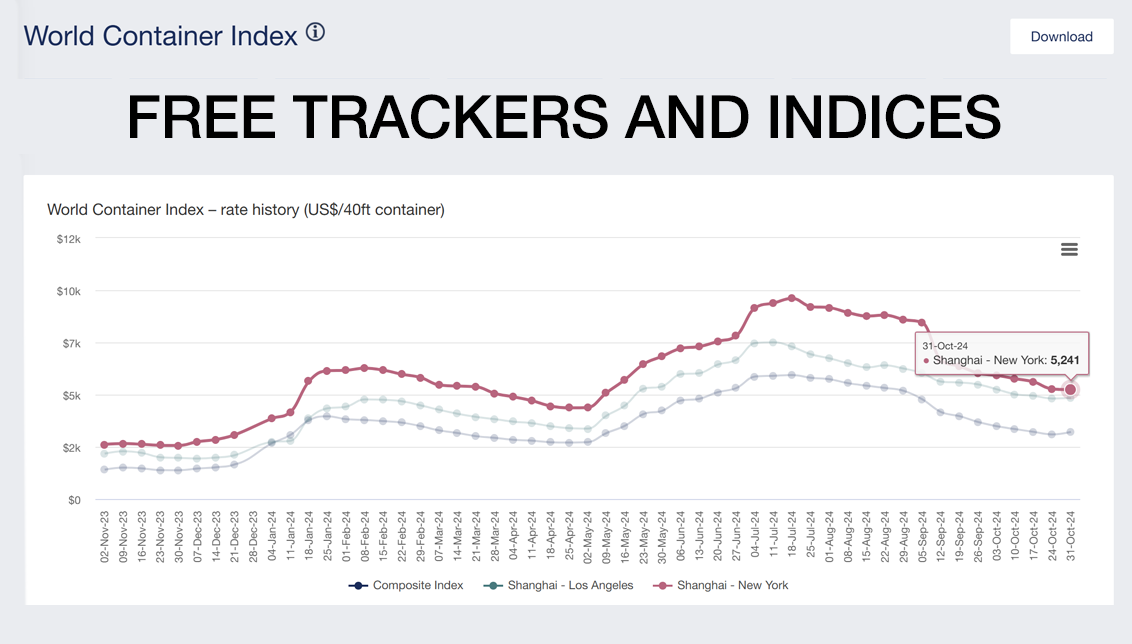
We've brought all our trackers and market indices together in a single hub page. Please Register and Login to access this free content.


Smoother sailing for dry bulk market in 2026, but some swells remain
Drewry expects the dry bulk market to improve in 2026 after a year of geopolitical disruptions and trade uncertainty shaped the market sentiment more than underlying demand–supply fundamentals. The second half of 2025 has already shown an apparent stabilisation, and the recent easing of the USTR policy, along with the US–China tariff truce announced in early November, has further reduced the likelihood of sudden, broad-based tariff shocks, providing a more stable backdrop for commodity trade into 2026.
With the macro environment calming and fundamentals gradually reasserting themselves, the dry bulk market enters 2026 on a more constructive footing. The following upside drivers support our expectation of a modestly stronger freight market next year, while the key downside risks highlight areas where momentum is likely to be dampened.
Upside potentials
1. Bauxite growth cements upside potential for Capesize in 2026
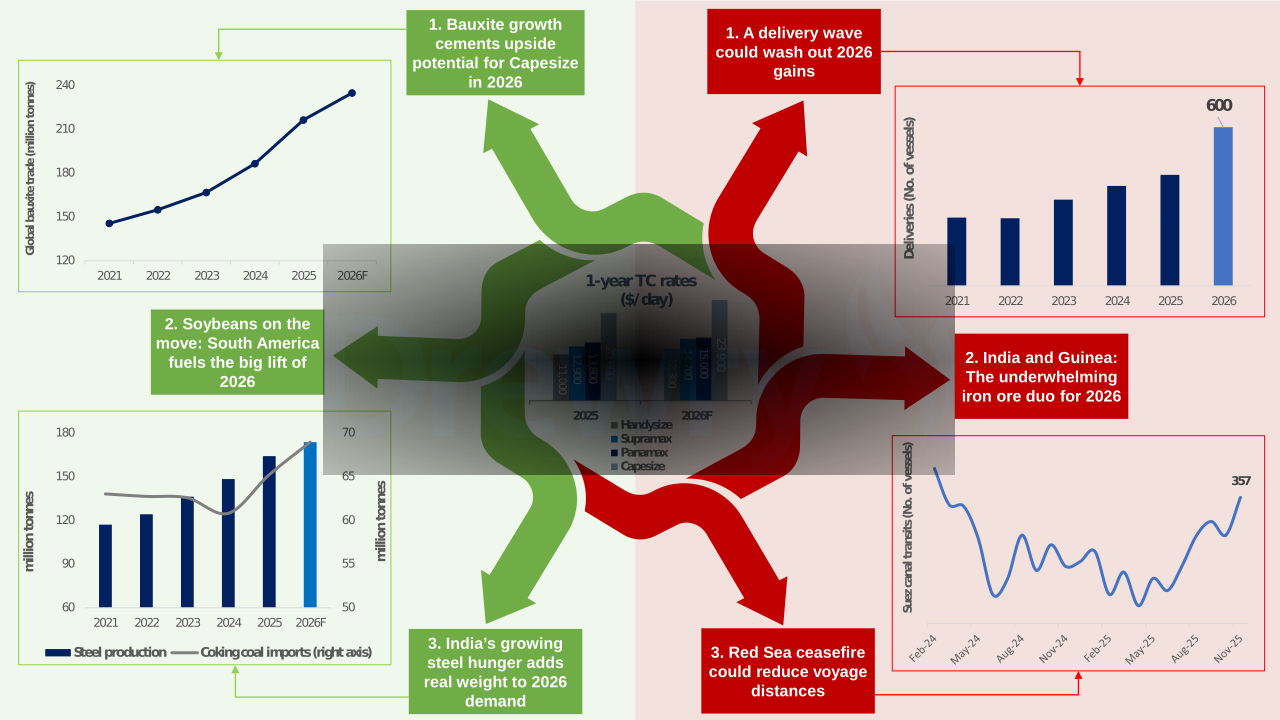
Global bauxite exports are expected to increase 8.6% in 2026, driven by the strong Chinese and European demand. Guinea established a new high-water mark for bauxite exports, with shipments rising in 2H25, fuelled by strong aluminium demand in China. Guinea further plans to increase production and thereby exports of bauxite. A slight downside risk looms, and the expected surge in production will create an oversupply in the market, keeping the country’s exports moderate as new output from Indonesia and Australia is added to the mix.
Australia is projected to increase bauxite output by 2026–27, with Rio Tinto expected to report 57–59 million tonnes in 2025 alone. Meanwhile, global demand is supported by consistent growth in green infrastructure and EV-related aluminium use, but pressures remain from oversupply and lower alumina prices. India’s rising imports are driven by its aluminium sector, which is expected to reinforce the demand for imported bauxite in 2025.
2. Soybeans on the move: South America fuels the big lift of 2026
Brazil’s 2025-26 soybean crop is set to hit a record 178 million tonnes, supported by rapid planting progress with 14% of the area sown by mid-October, the third-fastest pace on record. Early seeding for the January harvest gives Brazil an advantage in 1Q26 exports.
In addition, soybean exports from Argentina have also strengthened notably in recent months, driven by the government’s temporary suspension of export levies. According to the Buenos Aires Grain Exchange and Oil World, Argentina’s soybean exports for the 2025–26 season could reach 12.6 million tonnes, nearly three times that of last year’s total, with China accounting for over 85% of shipments.
3. India’s growing steel hunger adds real weight to 2026 demand
India’s coking coal demand is set to remain one of the most reliable upside drivers for dry bulk in 2026. With steel production expanding steadily and major blast furnace projects coming online, India’s dependence on imported coking coal is expected to deepen further.
Coking coal imports are heading towards record highs in 2025, laying a strong foundation for continued import strength into 2026, as domestic coal grades lack the metallurgical properties required for steelmaking. Key capacity additions, including Tata Steel’s Kalinganagar expansion and upcoming projects by JSPL and SAIL, will materially increase India’s long-haul import requirements from Australia, the US, Russia and South Africa.
Downside risks
1. A delivery wave could wash out 2026 gains
The most significant structural headwind for dry bulk in 2026 is the sheer volume of new ships hitting the seas. With more than 600 vessels scheduled for delivery, the industry faces its heaviest influx of fresh tonnage in over a decade. This surge is concentrated across the mid-size segments, where earlier ordering cycles are now reaching the handover phase. These deliveries are locked into yards and will land regardless of market conditions, meaning the supply curve will step up materially at a time when demand growth remains steady.
2. India and Guinea: The underwhelming iron ore duo for 2026
India’s iron ore import story was one of the few positive surprises in 2025, supported by strong steel production and tight domestic supply. However, volumes remain too small in absolute terms to have a material impact on global demand in 2026. The incremental tonne-mile effect is positive but marginal.
Similarly, Guinea’s Simandou project, while transformational for the long-term structure of the iron ore trade, will remain in early ramp-up mode in 2026. Shipments will occur, but volumes will not be large enough to tighten the Capesize market meaningfully. Simandou’s real impact is a multi-year story, not a 2026 driver.
3. Red Sea ceasefire could reduce voyage distances
Another downside risk for 2026 stems from the recent ceasefire aimed at stabilising the Red Sea corridor, where attacks have already reduced, and the security outlook has improved around the Suez Canal, especially for Panamax and Supramax vessels. If this deal holds and the Suez route reopens fully, vessels will no longer need to reroute via the COGH, slicing voyage distances and releasing significant capacity back into the market. The tonne-mile inflation that supported freight rates through 2024–25 would unwind, easing vessel tightness and placing downwards pressure on charter rates in 2026.
Conclusion
In conclusion, 2026 is set to deliver a cleaner, calmer market than the turbulent 2025, supported by firmer trade fundamentals and fading geopolitical uncertainty.
Return to...
Related Content
Key Contacts




© Copyright 2026 | Drewry Shipping Consultants Limited. All Rights Reserved. Website Terms of Use | Privacy Policy