
 close
close

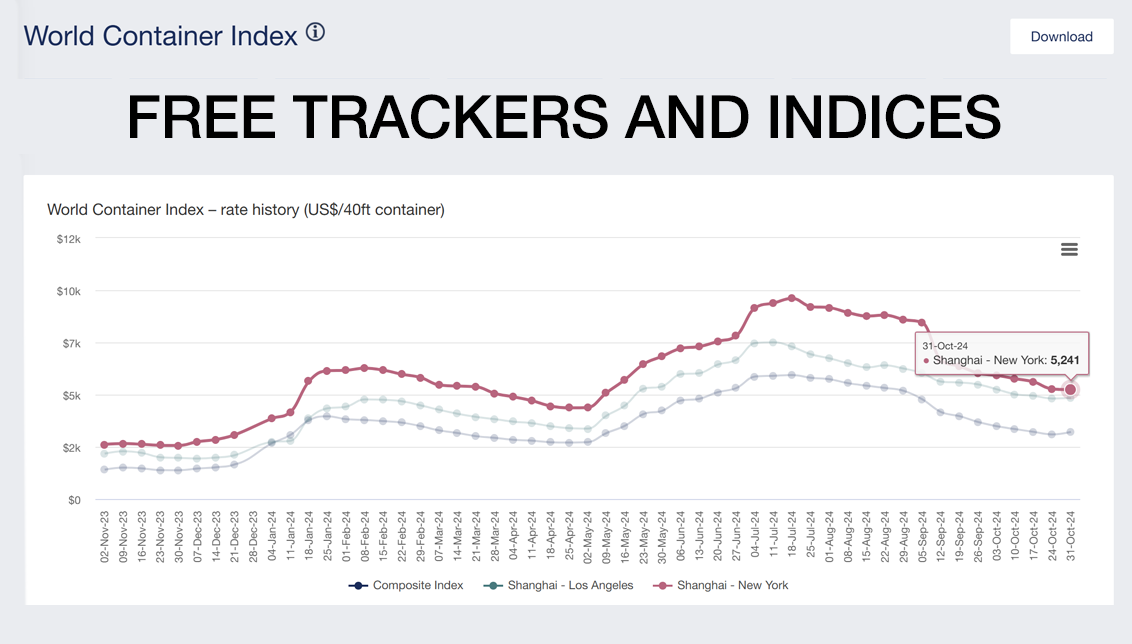
We've brought all our trackers and market indices together in a single hub page. Please Register and Login to access this free content.

Dry Bulk Shipping: New AIS Analytics
Leveraging real-time AIS-based analysis from our proprietary systems, every week we publish key metrics for different vessel segments across Dry Bulk, Crude Oil, Product, LNG and LPG sectors.
Read the weekly report
Key Contacts

Dry bulk shipping
Latest opinion: 13 Apr 2026
The recent movement in India’s dry bulk exports does not point to a structural transformation, but rather to a cyclical alignment of currency and demand. The depreciation of Indian currency has provided a clear tailwind, yet its impact is filtered.
The start of the US-Iran conflict and its impact on the maritime industry suggest that geopolitical concerns are here to stay. In this thought piece, we decode the initial impact of this conflict on maritime equities.
Escalating Middle East tensions risk disrupting nearly 30 million tonnes of dry bulk trade per month, equivalent to over 1,000 billion tonne-miles, or more than 7% of global dry bulk shipping demand.
The rapid growth of newbuilding yards across various countries reflects efforts to support national security, economic growth and strategic autonomy, while the development of ship repair yards globally will mainly serve the increasing retrofit activities.
Actionable market insight and advisory support at your fingertips
Our dry bulk shipping practice is highly respected in the industry and is regularly followed and referenced in both industry and mainstream media. The team is responsible for maintaining extensive information resources and conducting weekly, monthly and annual analysis on the sector and assessing the impact of macroeconomic as well as regulatory and environmental change on the sector.In addition to detailed market analysis and rigorous forecasting, we offer market leading analysis of the dry bulk market, covering all the principle vessel categories, as well as appraisals of shipping finances, including pricing, operating costs, vessel values and investment returns. We challenge conventional wisdom through our deep understanding of the trade dynamics driving demand for different vessel types in all corners of the world.
Our consultants typically provide charterers in industrial, utilities and mining sectors with seafreight procurement advice, shipowners with market entry strategies and commercial and operational due diligence for investors and lenders. Meanwhile, our team of financial research specialists provides actionable insight on the leading tanker shipowners.
An elite and diverse group of industry stakeholders from shipowners, to charterers, port authorities, investors and financial intermediaries rely on our range of weekly, monthly and annual market research, sector expertise and commercial experience to help inform decisions, reduce costs and drive performance improvement.
Key Contacts



Related Expertise

Recent Case Studies
Related Maritime Research
The primary source of market insight, analysis and advice, trusted by the global maritime and shipping industry.
Complete coverage
From tankers to dry bulk, containers to ports - we keep a constant watch on the world's maritime marketsRich heritage
More than 40 years continuously charting and analysing the world's maritime marketsProudly independent
Our voice is our own and is not defined by others
Dry Bulk Forecaster (Annual Subscription)
PDF Editions and Drewry OnDemand · Latest release 03 Feb 2026
Dry Bulk Forecaster provides five year forecasts, assessments of charter activity freight rates and forecasts of Handymax, Handysize, Panamax, and VLOC supply and demand. All quarterly report updates are accompanied by tables and charts in MS Excel format. A Dry Bulk Forecaster annual subscription now includes OnDemand access and Monthly Supplements.
Learn more
View more
Related Maritime Research
Our equity research service provides our clients with a range of report formats and supporting resources for the companies we cover.
Market understanding
Investment analysis based on a clear understanding of the market at both an industry and sector level.Quality insights
Our analysts have access to one of the most up-to-date, comprehensive and reliable sources of market insight.


© Copyright 2026 | Drewry Shipping Consultants Limited. All Rights Reserved. Website Terms of Use | Privacy Policy